Social media campaigns rarely need a single perfect image. They need a small set of frames that feel consistent, leave room for text, match the brand’s existing feed, and still look intentional when they appear between other posts. Image2.5 can generate those frames quickly, yet speed alone does not produce a usable campaign set. Without a clear workflow the generations drift, text space disappears, and the final selection feels disconnected.
This post lays out the complete Image2.5 workflow I use for small and mid-size social campaigns. It is built around a real project for a Portland coffee roaster launching a seasonal blend. The same sequence works for product drops, service promotions, and simple brand storytelling. The focus stays on practical decision points rather than on style tricks.
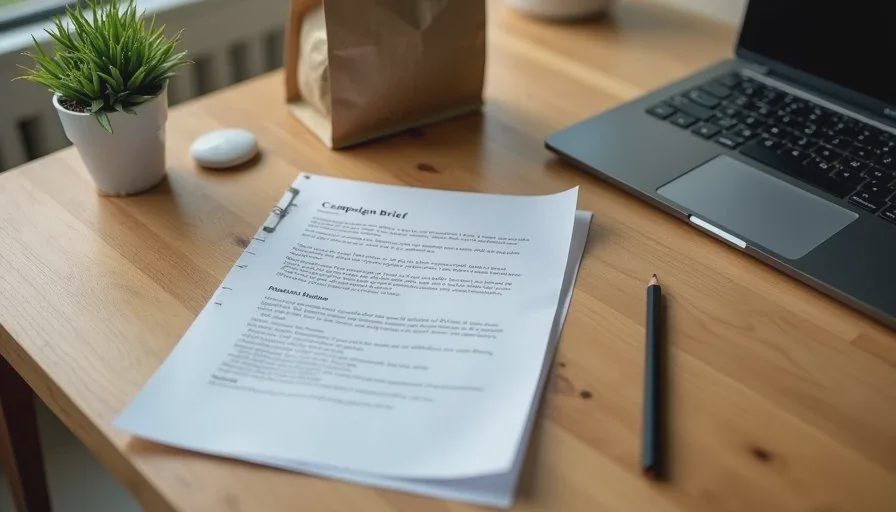
Stage 1: Campaign brief before any prompt
Every campaign starts with a short written brief that answers five questions:
What is the single main message of the campaign?
Which platforms and formats will the images serve (feed, story, banner)?
What product or subject must remain consistent across all frames?
How much clean space is required for text or graphic overlays?
What visual constraints must be protected (materials, proportions, brand colors)?
For the coffee launch the brief read:
Message: new seasonal single-origin, warm and approachable
Platforms: Instagram feed (1:1 and 4:5) plus simple website banner
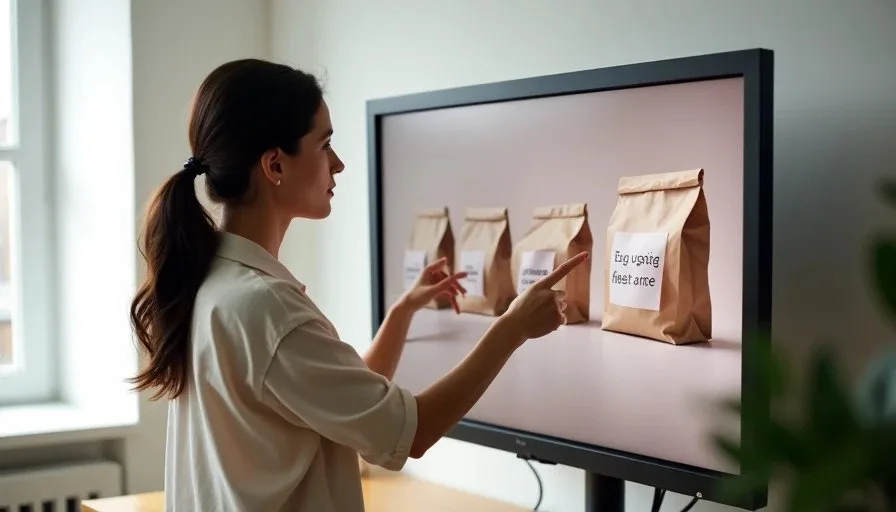
Product: 12 oz matte kraft bag with black label, fixed proportions and dry paper texture
Text space: clean lower third or side panel on every frame
Constraints: no glossy bag, no dark moody café clichés, consistent warm side light
Writing this brief takes ten minutes and prevents most of the later revisions. Image2.5 responds far better to locked constraints than to open-ended mood requests.
Stage 2: Lock the product language once
I write one detailed product paragraph and reuse it in every prompt for the campaign. Changing the product description between frames is the fastest way to lose consistency.
The locked paragraph for the coffee bag was:
“12 oz matte kraft coffee bag with accurate real proportions, simple black label, dry uncoated kraft paper texture with visible fiber, no waxy sheen, no plastic look, front-facing or three-quarter view as needed”
This block stays identical across the hero frame, lifestyle variations, and detail shots. Only the scene, supporting objects, and composition notes change.
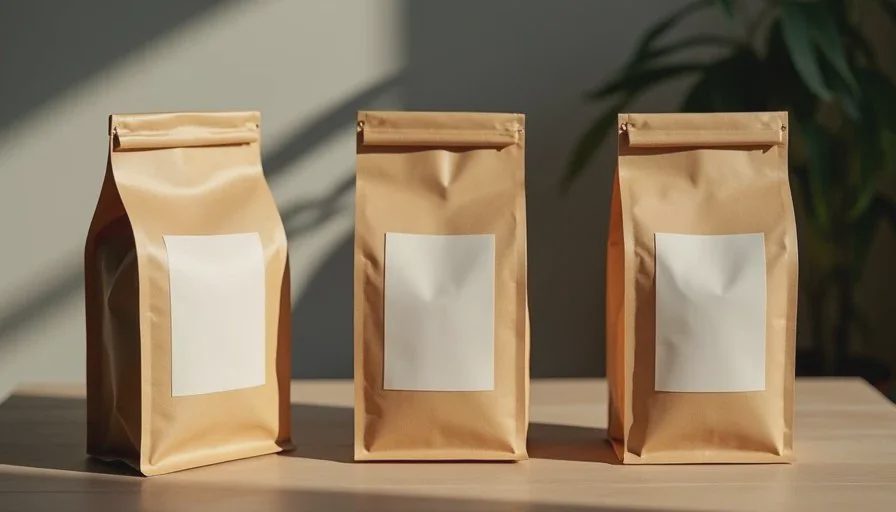
Stage 3: Generate the hero frame first
The hero frame establishes the visual standard for the rest of the set. I keep the environment simple so the product and the text space can be evaluated clearly.
Hero prompt structure:
Locked product paragraph
Simple surface and light direction
Explicit composition note for text space
Mood and brand constraints
First hero generation almost always needs one or two targeted revisions—usually for surface quality or exact text-zone placement. Once the hero is approved, it becomes the reference for every subsequent frame.
Stage 4: Build scene variations from the hero
With the hero locked, I generate three to five supporting scenes that keep the same product language and the same light family. Typical variations for a product campaign include:
Clean product-only frame
Soft lifestyle context (table, shelf, or counter)
Detail or texture focus
Secondary angle that still protects the label
Each variation reuses the locked product paragraph and only swaps the environment and composition notes. This keeps the bag recognizable while giving the campaign visual range.
I evaluate every new frame against three questions:
Does the product still match the hero in proportions and surface?
Is the planned text space still clean?
Does the light and mood stay inside the same family as the hero?
Frames that fail any of these points are revised or discarded. I do not keep attractive outliers that break consistency.
Stage 5: Channel and overlay check
Before final selection I place real text overlays and platform crops on the strongest candidates. An image that looks balanced in isolation often fails once the actual caption, logo, or story format is applied.
Practical checks include:
Lower-third or side text at the real font size the brand uses
1:1 and 4:5 crops for Instagram
Safe margins for interface elements
Quick comparison against the brand’s recent feed for light and color continuity
Only frames that survive these checks move into the final campaign folder.
Stage 6: Delivery and archive
The delivered set usually contains one hero, two or three supporting scenes, and one detail frame. I also archive the near-miss generations and the exact prompts that produced the approved frames. That archive becomes the starting point for the next campaign with the same product or a similar one.
Common failure points and how the workflow prevents them
Without a structured process, three problems appear repeatedly:
Product drift across frames (proportions or surface change)
Loss of usable text space
Mood or lighting inconsistency that makes the set feel unrelated
The workflow addresses each problem at a specific stage: product language is locked before any generation, text space is required in every prompt and checked with real overlays, and the hero frame sets the light and mood standard that later frames must follow.
A reusable campaign checklist
Write the five-point campaign brief.
Create one locked product paragraph.
Generate and approve a hero frame with protected text space.
Produce scene variations that reuse the product language and light family.
Test final candidates with real text and platform crops.
Deliver the set and archive prompts plus near-misses.
This sequence keeps the work focused and limits the number of generations required. Most small campaigns I run now stay inside eight to twelve total generations from brief to final delivery.
Image2.5 is fast at producing individual frames. A clear workflow is what turns those frames into a coherent social campaign that actually supports the message, the product, and the channel. Start with the brief and the locked product language. Everything else becomes easier to control from there.