
One of the most practical questions for anyone using Image2.5 in real work is whether the same product can stay consistent across multiple scenes. A single hero shot is useful. A set of five images that feel like the same object in different settings is far more useful for a product page, a lookbook, or a social series.
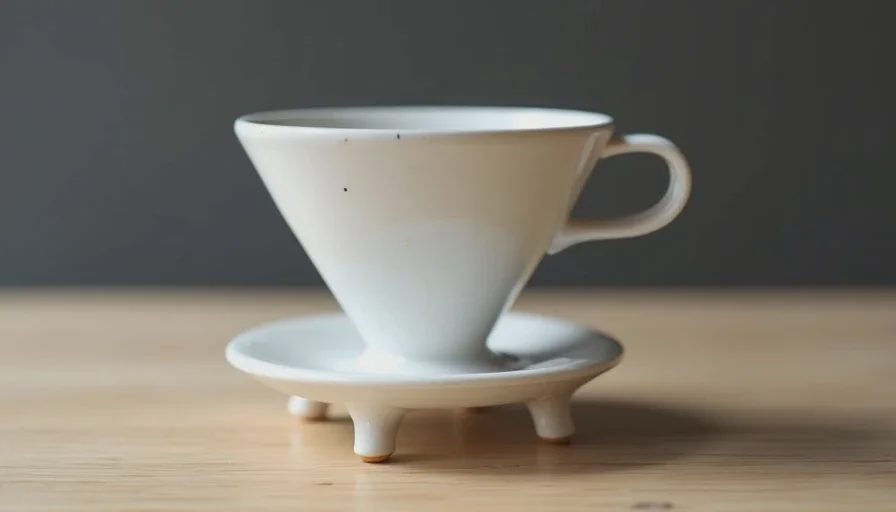
I ran a structured test with a matte white ceramic pour-over dripper—the same object I have used in earlier workflow posts. The goal was simple: generate five different scenes while keeping the dripper’s shape, proportions, glaze, and key details as stable as possible. This post shows the brief, the prompt strategy, the five results, what stayed consistent, what drifted, and the small changes that improved later frames.
Test setup and rules
I locked three things before generating anything:
Product: matte white ceramic pour-over dripper with conical body, three small feet, and short pour spout
Must-protect features: conical proportions, visible feet, dry matte glaze, overall scale
Variable elements: only the scene, supporting objects, and lighting mood
Each scene received its own short brief, but the product description stayed identical across all five prompts. I did not use seed locking or advanced consistency tools—only plain prompt language—so the results reflect what most users can achieve without extra technical steps.
The five scenes were:
Simple product shot on light wood
Kitchen counter with a linen napkin
Open shelf with a small plant
Café table with a ceramic cup
Soft daylight windowsill

Scene 1: Controlled baseline
Prompt core (product portion used in every scene):
“Matte white ceramic pour-over dripper with conical body, three small visible feet and short pour spout, dry matte glaze with subtle texture variation, no plastic shine”
Scene 1 added only a light wood surface and soft side light. The result was clean and accurate. Proportions, feet, and glaze all matched the real object closely. This frame became the visual reference for the rest of the test.
Scene 2: Kitchen counter with linen
I kept the exact product language and changed only the environment:
“...on a light kitchen counter with a folded linen napkin nearby, soft morning window light from the left”
The dripper stayed recognizable. The conical shape and feet held. Two small drifts appeared: the glaze looked slightly smoother, and the spout angle shifted a few degrees. Still usable, but the surface had lost a bit of the dry quality from Scene 1.
Scene 3: Open shelf with plant
Product language unchanged. New environment: wooden open shelf, small green plant to the side, softer overhead-adjacent light.
Here the proportions began to soften. The base of the cone widened slightly and one foot became less distinct. The glaze remained acceptable. The image still read as the same product, yet a side-by-side comparison with Scene 1 showed clear drift.
Scene 4: Café table with cup
Same product block. New setting: café table, small ceramic cup, warmer side light.
The dripper’s overall silhouette stayed close, but the spout lengthened slightly and the feet lost definition again. The warmer light also pushed a faint sheen onto the glaze. Consistency was still present at a glance; accuracy was lower than the baseline.
Scene 5: Windowsill in soft daylight
Final scene with the same product description plus a simple windowsill and diffused daylight.
This frame showed the largest cumulative drift. The conical proportions had relaxed, the feet were almost gone, and the glaze had moved closer to a soft satin. The object was still identifiable as a pour-over dripper, yet it no longer matched the precise product from Scene 1.
What held up and what consistently drifted
Across the five scenes the following stayed relatively stable:
Overall product category and general conical idea
Approximate size relationship to nearby objects
Basic color of the ceramic
The following drifted in most frames after the baseline:
Exact conical proportions (base width and height relationship)
Visibility and shape of the three small feet
Dryness of the matte glaze
Precise spout length and angle
These are the same details that matter most for e-commerce and brand consistency. Image2.5 kept the product “in the family” but did not lock the precise identity without stronger intervention.
Small prompt anchors that improved later frames
After reviewing the first five generations I ran a second pass on Scenes 3–5 with three added anchors:
“exact same conical proportions as a standard ceramic pour-over dripper”
“three small distinct feet clearly visible”
“dry non-reflective matte glaze, no satin or plastic sheen”
These short additions noticeably reduced drift. Feet reappeared, the base width stabilized, and the glaze stayed closer to the dry quality of Scene 1. The improvement was not perfect, but it moved the later scenes from “recognizable” to “acceptably consistent” for practical use.
I also found that placing the full product description at the very beginning of every prompt and repeating the two or three most fragile features (feet and dry glaze) near the end helped more than lengthening the description.
Practical takeaways for multi-scene work
If you need the same product across several Image2.5 scenes, treat consistency as an active constraint rather than an expected default.
Write one locked product paragraph and reuse it verbatim.
Name the two or three details most likely to drift (usually small structural elements and surface finish).
Generate a clean baseline first and keep it visible while reviewing later scenes.
Add short reinforcement phrases for fragile features when drift appears.
Accept that perfect pixel-level consistency is still difficult; aim for usable visual identity instead.
For client work I now budget one baseline generation plus one reinforcement pass for any multi-scene set. That extra step is usually enough to keep the product coherent across a product page or a small social series.
Image2.5 can maintain a recognizable product across different environments. It does not yet lock fine proportions and surface quality automatically. Clear, repeated anchors for the details that matter most remain the most reliable way to improve consistency with current capabilities.